-

By thinking about IPE as an act of culture change healthcare educators can intentionally break down the barriers that lead to poor team dynamics, fragmented healthcare, and toxic work environments. When teams work together, patients benefit. Educators have an impactful role to change the game for IPE moving forward.
-

Cybersecurity educators need to inspire their students with a sense of urgency and mission. Those students will be on the front lines in an increasing struggle with hackers, thieves, and saboteurs of cyberspace.
-
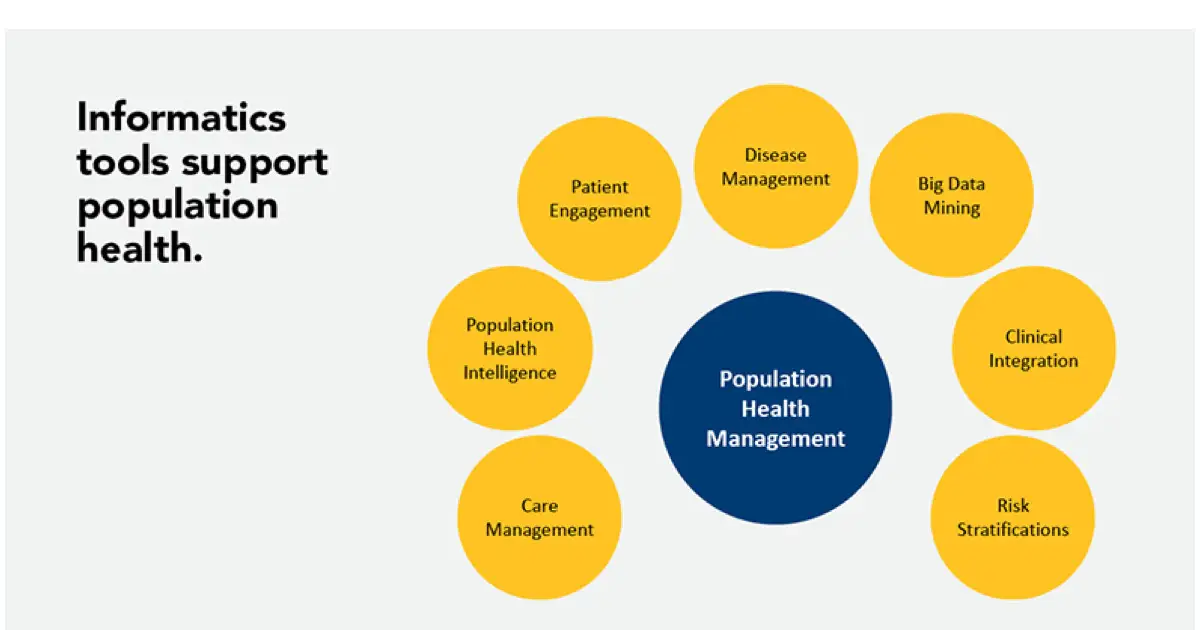
Authors and informatics experts, Dr. Dee McGonigle of Chamberlain University and Dr. Kathy Mastrian of Pennsylvania State University and they discussed the importance of educating all healthcare professionals on informatics.
-

With years of experience in international development and health, Richard Skolnik turns his attention to health care outcomes right here in the U.S.
-

Racial equity involves a number of concerns that must be addressed. For example, in terms of health, because racial equity has not been advanced effectively, there is mistrust of the medical establishment by Black people.
-
Sharing COVID-19 data immediately raises security and privacy issues because medical information is among the most sensitive types of personal information.
-

Education is more than just a learning experience. In many ways, it is a social determinant of health. It is clear and established that there are inequities in terms of education, based on socioeconomic status in the United States.
-

Providers and academia will help to create highly effective future senior care leaders who will need to face the challenges of an aging population.
-

Every crime scene has the potential to infect personnel in the midst of the COVID-19 pandemic.
-

Climate change expert, Mona Sarfaty, shares her insights on why we should treat climate change as a public health emergency.