BLOG

Resources for Educators
& Professionals


Teaching the Evolution of Login Security
by  Dr. Gene Lloyd     Nov 16, 2026
login-security-passwords

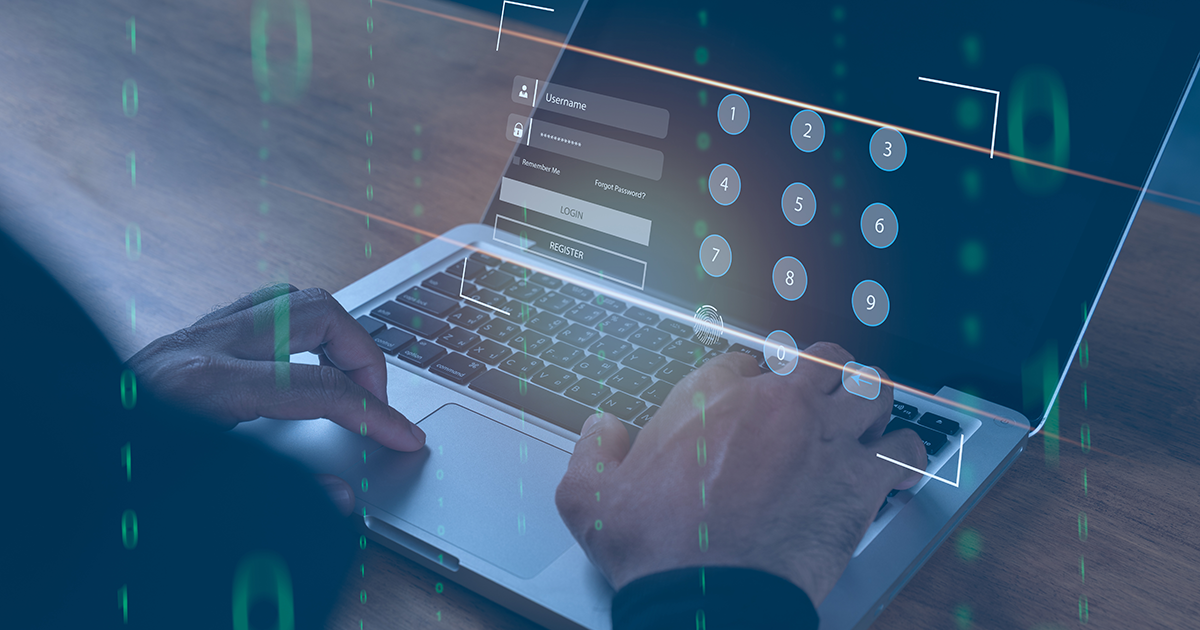
Passwords are dead! Well, maybe not completely dead, but in systems that require more security, we are seeing a trend towards authentication methods that eliminate passwords from the equation. These new methods are seen as more secure because they require physical access to a secondary device to log in, which is helping to defeat some of the more recent phishing methodologies. Passwords will still exist in most uses because stronger login security requires changes many will see as unnecessary for their networks or services. But, for those who want to stay a step ahead of the hackers or who need to ensure the highest level of security, the latest evolution of authentication using cryptographically generated passkeys might be the answer. This is an important topic for cybersecurity professors to cover because it is the newest authentication technology currently being implemented in many industries, and students will likely encounter it soon after graduation. 

A Brief History of Login Attacks 

We have seen considerable improvements in the computer security world in the past few decades. Social engineering, which was essentially a form of phishing, was the common attack in the 1980’s. We limited that weakness through training users and teaching the next iteration of cybersecurity professionals how to recognize phishing, so hackers moved on to attack weaknesses in applications. We eliminated many of those risks by shortening the patching and update timelines, adding antivirus and firewalls at the individual computer level, and making it more difficult for malware to land on a system, so hackers shifted back to the tried-and-true method of phishing, which can bypass authentication if a user is tricked into taking certain actions, like clicking on a malicious link in an email. The latest phishing attacks are aimed at defeating multifactor authentication. 

The Push for Strong Passwords 

One of the earliest attempts at keeping systems secure was implementing strong passwords. Users often created weak, easily guessable passwords, so industry experts began enforcing strong passwords that required what most people are familiar with today: uppercase and lowercase letters, numbers, and special characters. They also needed to be sufficiently long to defeat common brute-force password hacking methods. Professors also promoted these more rigorous standards in the classroom. This worked well for a long time, but software and computing power improved, requiring longer passwords. Hackers who gained access to servers that stored passwords without hashing made things even worse. So, we added another layer: multifactor authentication (MFA). 

Multifactor Authentication Adds a Second Layer 

MFA is incredibly valuable in this space because even if a hacker acquires a password, it is useless without the second form of authentication. It can also alert users if their password was exposed because an unrequested login from a secondary device or application is a clear indication someone else entered a correct password. MFA is also valuable even when weaker passwords are in place because it requires a physical response from a user before authentication can be completed. This should not be used as an excuse to use weak passwords, but the secondary check is helpful in these situations. Cybersecurity professors should continue teaching their students about this technology but also point them towards what is now being implemented. MFA should have been the nail in the coffin of login attacks, but hackers have adapted once again. 

The Newest Threat: MFA Fatigue 

Students need to understand that the latest form of attack is known as MFA fatigue. This methodology generates repeated authentication attempts using a compromised username and password, with each authentication attempt triggering an MFA approval notification on the user’s device. The attacker essentially floods the user with repeated MFA approval requests by automating the login process so that massive numbers of attempts generate an equal number of MFA requests. A user may ignore or deny one request but grow tired of repeatedly denying requests. The hope in this type of attack is that the user will eventually capitulate and approve the login, thinking that it is a glitch or that an app they are using requires access. Hackers will sometimes combine this attack with a phone call where they impersonate IT support and convince the user to approve the MFA request. Hackers are betting on the user becoming so annoyed with the constant alerts that they grant approval to make the alerts stop. Hackers are working hard to regain the edge by reimplementing 40-year-old tactics, so the next iteration of login security needs to eliminate the phishing variable. Enter passkeys and cryptographic credentials. 

FIDO2 and Phishing-Resistant Authentication 

The Fast Identity Online (FIDO) alliance was founded in 2012 to develop alternatives to password-based authentication. They have developed multiple frameworks since that time, with FIDO2 being announced in 2018, and many major technology corporations have adopted and expanded support along the way. The FIDO2 framework should be part of every cybersecurity program because it combines public key cryptography with a passkey on the secondary authentication device to eliminate two phishing-based attack vectors. First, the cryptographic keys are bound to the legitimate server where login occurs, which eliminates the possibility of logging into an imitation website set up by a hacker. Second, MFA fatigue attacks become impossible because, even if an attacker gains the password, servers will ask the attacker to present the FIDO2 authentication, which they do not have, and the user never receives an authentication request. This is known as phishing-resistant authentication. 

Putting FIDO2 into Practice 

The FIDO2 standard has started to receive more widespread adoption and will likely be implemented by a greater number of organizations in the near future, so cybersecurity students will need to be prepared to implement it outside of the classroom. One great thing about FIDO2 is that the common authenticator apps many people have been using for MFA now include passkeys, so a user who is already familiar with MFA will only need to complete a quick passkey creation process to start using FIDO2. Hardware keys are also available for FIDO2 implementation, which are typically required to be plugged into a USB port or tapped on an NFC device as part of the authentication process. 

What Comes Next for Login Security 

FIDO2 is the latest iteration of attempts to keep user accounts and organizational data secure from unauthorized logins. Cybersecurity professionals have worked hard for many years at educating users and developing newer technologies that lessen or eliminate successful hacking attempts. It is likely that hackers will attempt to develop an attack against FIDO2, but their options are becoming more limited. Repeated login attempts can no longer pressure a user into inadvertently approving fraudulent access if FIDO2 is in use. The greatest advantage a hacker may have at this point is a denial-of-service attack that locks out user accounts through constant login attempts. It is likely that the FIDO2 standards will continue to be improved. Now we just need to teach it in the classroom and convince everyone to start using it.

Stay Connected

Categories

Clear

Search Blogs

Featured Posts

Teaching the Evolution of Login Security

by  Dr. Gene Lloyd     Nov 16, 2026
login-security-passwords

Passwords are dead! Well, maybe not completely dead, but in systems that require more security, we are seeing a trend towards authentication methods that eliminate passwords from the equation. These new methods are seen as more secure because they require physical access to a secondary device to log in, which is helping to defeat some of the more recent phishing methodologies. Passwords will still exist in most uses because stronger login security requires changes many will see as unnecessary for their networks or services. But, for those who want to stay a step ahead of the hackers or who need to ensure the highest level of security, the latest evolution of authentication using cryptographically generated passkeys might be the answer. This is an important topic for cybersecurity professors to cover because it is the newest authentication technology currently being implemented in many industries, and students will likely encounter it soon after graduation. 

A Brief History of Login Attacks 

We have seen considerable improvements in the computer security world in the past few decades. Social engineering, which was essentially a form of phishing, was the common attack in the 1980’s. We limited that weakness through training users and teaching the next iteration of cybersecurity professionals how to recognize phishing, so hackers moved on to attack weaknesses in applications. We eliminated many of those risks by shortening the patching and update timelines, adding antivirus and firewalls at the individual computer level, and making it more difficult for malware to land on a system, so hackers shifted back to the tried-and-true method of phishing, which can bypass authentication if a user is tricked into taking certain actions, like clicking on a malicious link in an email. The latest phishing attacks are aimed at defeating multifactor authentication. 

The Push for Strong Passwords 

One of the earliest attempts at keeping systems secure was implementing strong passwords. Users often created weak, easily guessable passwords, so industry experts began enforcing strong passwords that required what most people are familiar with today: uppercase and lowercase letters, numbers, and special characters. They also needed to be sufficiently long to defeat common brute-force password hacking methods. Professors also promoted these more rigorous standards in the classroom. This worked well for a long time, but software and computing power improved, requiring longer passwords. Hackers who gained access to servers that stored passwords without hashing made things even worse. So, we added another layer: multifactor authentication (MFA). 

Multifactor Authentication Adds a Second Layer 

MFA is incredibly valuable in this space because even if a hacker acquires a password, it is useless without the second form of authentication. It can also alert users if their password was exposed because an unrequested login from a secondary device or application is a clear indication someone else entered a correct password. MFA is also valuable even when weaker passwords are in place because it requires a physical response from a user before authentication can be completed. This should not be used as an excuse to use weak passwords, but the secondary check is helpful in these situations. Cybersecurity professors should continue teaching their students about this technology but also point them towards what is now being implemented. MFA should have been the nail in the coffin of login attacks, but hackers have adapted once again. 

The Newest Threat: MFA Fatigue 

Students need to understand that the latest form of attack is known as MFA fatigue. This methodology generates repeated authentication attempts using a compromised username and password, with each authentication attempt triggering an MFA approval notification on the user’s device. The attacker essentially floods the user with repeated MFA approval requests by automating the login process so that massive numbers of attempts generate an equal number of MFA requests. A user may ignore or deny one request but grow tired of repeatedly denying requests. The hope in this type of attack is that the user will eventually capitulate and approve the login, thinking that it is a glitch or that an app they are using requires access. Hackers will sometimes combine this attack with a phone call where they impersonate IT support and convince the user to approve the MFA request. Hackers are betting on the user becoming so annoyed with the constant alerts that they grant approval to make the alerts stop. Hackers are working hard to regain the edge by reimplementing 40-year-old tactics, so the next iteration of login security needs to eliminate the phishing variable. Enter passkeys and cryptographic credentials. 

FIDO2 and Phishing-Resistant Authentication 

The Fast Identity Online (FIDO) alliance was founded in 2012 to develop alternatives to password-based authentication. They have developed multiple frameworks since that time, with FIDO2 being announced in 2018, and many major technology corporations have adopted and expanded support along the way. The FIDO2 framework should be part of every cybersecurity program because it combines public key cryptography with a passkey on the secondary authentication device to eliminate two phishing-based attack vectors. First, the cryptographic keys are bound to the legitimate server where login occurs, which eliminates the possibility of logging into an imitation website set up by a hacker. Second, MFA fatigue attacks become impossible because, even if an attacker gains the password, servers will ask the attacker to present the FIDO2 authentication, which they do not have, and the user never receives an authentication request. This is known as phishing-resistant authentication. 

Putting FIDO2 into Practice 

The FIDO2 standard has started to receive more widespread adoption and will likely be implemented by a greater number of organizations in the near future, so cybersecurity students will need to be prepared to implement it outside of the classroom. One great thing about FIDO2 is that the common authenticator apps many people have been using for MFA now include passkeys, so a user who is already familiar with MFA will only need to complete a quick passkey creation process to start using FIDO2. Hardware keys are also available for FIDO2 implementation, which are typically required to be plugged into a USB port or tapped on an NFC device as part of the authentication process. 

What Comes Next for Login Security 

FIDO2 is the latest iteration of attempts to keep user accounts and organizational data secure from unauthorized logins. Cybersecurity professionals have worked hard for many years at educating users and developing newer technologies that lessen or eliminate successful hacking attempts. It is likely that hackers will attempt to develop an attack against FIDO2, but their options are becoming more limited. Repeated login attempts can no longer pressure a user into inadvertently approving fraudulent access if FIDO2 is in use. The greatest advantage a hacker may have at this point is a denial-of-service attack that locks out user accounts through constant login attempts. It is likely that the FIDO2 standards will continue to be improved. Now we just need to teach it in the classroom and convince everyone to start using it.

Tags

Clear