BLOG

Resources for Educators
& Professionals


What Sewage Can Tell Us: The Valuable Role of Wastewater Surveillance in Public Health
by  By Richard Riegelman MD, MPH, PhD     Jan 7, 2026
Sewage surveillance is a valuable public health tool

Editor’s note: This is the second article in the Public Health 101 blog series, which aims to keep users of Public Health 101 up to date on changes in public health and public health education. The articles in this series will be published throughout 2026 and 2027, leading up to publication of the 5th edition of Public Health 101 in spring 2028.

Each article will highlight a change using a case study or key content that can be used in teaching. The series will inform instructors on how the content relates to the 4th edition of Public Health 101 and to the upcoming 5th edition.

See the first article in the series here.


Waste water or sewage surveillance was introduced in the midst of the COVID-19 pandemic to try to predict upswings in clinical cases of the infection. It succeeded beyond expectations and is now being expanded to a wide range of public health uses. Sewage surveillance has become a central part of public health surveillance.

Public health relies on data from a wide range of sources. Public Health 101 categorizes these sources as the 7 Ss of Public Health Surveillance and Data. They are:

  • Single case or series
  • Statistics (vital statistics and reportable diseases)
  • Surveys
  • Self-reporting
  • Sentinel monitoring
  • Syndromic surveillance
  • Social media

We now add an 8th “S” to this important list: sewage.

How Sewage Surveillance Monitors Disease Outbreak

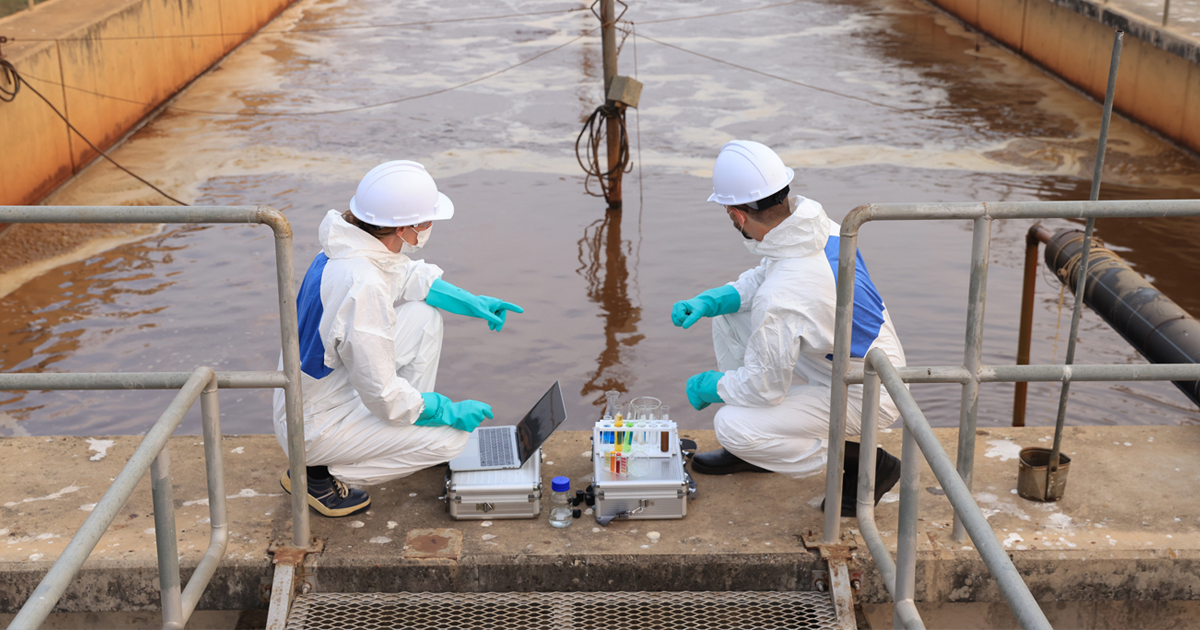
Sewage surveillance is conducted by obtaining samples from municipal wastewater systems and testing for genetic material (DNA or RNA) of pathogens, such as viruses or bacteria. Because disease-causing pathogens are often shed through the gastrointestinal or urinary tract in both symptomatic and asymptomatic people, sewage surveillance provides data that reflects an entire community — not just those who seek medical care.

Sewage surveillance is used to monitor a wide range of infectious diseases, including SARS-CoV-2 (COVID-19), influenza, polio, norovirus, mpox, respiratory syncytial virus (RSV), hepatitis A, and Zika virus. New laboratory developments are increasing the number and type of pathogens that can be detected.

The National Wastewater Surveillance System (NWSS), a program established by the Centers for Disease Control and Prevention during the COVID-19 pandemic, coordinates efforts to collect and use wastewater data.

Uses of Sewage Surveillance for Communicable Diseases

Here are a few distinct ways that sewage surveillance informs public health:

  • Sewage surveillance can provide early warnings of surges in infection rates. This can occur days or even weeks before increases are detected in people presenting for healthcare services. Public health and clinical responses increasingly rely on data from sewage surveillance.
  • Sampling sewage is far cheaper than widespread clinical testing. It also collects data from large populations, including those without access to healthcare or testing services.
  • Sewage surveillance provides a noninvasive, passive, privacy-protected method of detecting the presence and quantity of pathogens in sewage. It can complement clinical case reporting and help identify trends to inform public health interventions.
  • Sewage surveillance can increase our understanding of diseases. For instance, it has been enlightening to find that polio virus still occurs in municipal water systems even when no human evidence of the virus is present.

Limitations of Sewage Surveillance for Communicable Diseases

While the effectiveness of sewage surveillance is significant, it’s important to note a few limitations:

  • Not all pathogens can be identified in sewage. For instance, malaria is not shed through the gastrointestinal or urinary tract and therefore cannot be identified in wastewater.
  • Sewage surveillance as currently practiced can only identify infections at the community level. It cannot identify individual or household level infection. It therefore ensures individual privacy but does not allow for targeted interventions.
  • Prediction is not perfect. Results vary by pathogen, outbreak severity, and characteristics of the sewage system. Stay tuned to research as it identifies ways to improve the predictive ability of sewage surveillance.

The Future of Sewage Surveillance

Sewage surveillance is currently being used by many municipal water systems in collaboration with the CDC. Its future might include more targeted sources of sewage, ranging from military bases to college dormitories. It may also be used in manufacturing sites where people may be exposed to toxic substances.

Sewage surveillance is not limited to detecting communicable diseases. Two examples of recent applications are opioids (and other drugs of abuse) and antibiotic-resistant pathogens.

Understanding the distribution of opioids in sewage may provide public health professionals with ways to anticipate and hopefully prevent surges in overdoses — as well as to allocate resources for health services. It may also help with early identification of new types of opioids and other drugs of abuse.

Cocaine and amphetamines can also be detected in sewage. Researchers are working to identify ways to expand the types of drugs that can be detected in sewage.

Antibiotics and antibiotic-resistant organisms can also be detected in sewage. This may prove to be a key tool in the battle against antibiotic resistance and provide a better understanding of the distribution, course, and intensity of antibiotic-resistant organisms. Research is under way to assess resistance to other types of pathogens that can be detected in sewage.

Future uses of sewage surveillance might include detecting levels of exposure to pesticides and industrial pollutants, and detecting prescription medication use. It might even be used to monitor changes in a population’s diet.

Supporting Health Intervention and Public Health

Sewage surveillance provides unique evidence to support health intervention not only in communicable diseases such as COVID and polio but also in ongoing public health issues ranging from opioid and other drug use to antibiotic therapy and antibiotic resistance. Sewage surveillance has become a core component of public health surveillance — an “S” that has earned its spot as number 8 on the list.

It’s important that students learning about public health understand what can be learned from sewage. The information in this article should be included in introductory courses in public health.

About the AuthorRichard Riegelman, MD, MPH, PhD, is the series editor for Jones and Bartlett Learning’s Essential Public Health Series. Dr. Riegelman is Professor of Epidemiology, Medicine, and Health Policy, and Founding Dean of the George Washington University Milken Institute School of Public Health. He led the development of the Educated Citizen and Public Health initiative, which brought together arts and sciences and public health education associations to implement National Academy of Medicine’s vision for undergraduate public health education.

Dr. Riegelman earned an MD from the University of Wisconsin, and an MPH and PhD in Epidemiology from Johns Hopkins University. He practiced primary care internal medicine for more than 20 years. Dr. Riegelman has authored or edited more than 70 publications, including six books for students and practitioners of medicine and public health.


Stay Connected

Categories

Clear

Search Blogs

Featured Posts

What Sewage Can Tell Us: The Valuable Role of Wastewater Surveillance in Public Health

by  By Richard Riegelman MD, MPH, PhD     Jan 7, 2026
Sewage surveillance is a valuable public health tool

Editor’s note: This is the second article in the Public Health 101 blog series, which aims to keep users of Public Health 101 up to date on changes in public health and public health education. The articles in this series will be published throughout 2026 and 2027, leading up to publication of the 5th edition of Public Health 101 in spring 2028.

Each article will highlight a change using a case study or key content that can be used in teaching. The series will inform instructors on how the content relates to the 4th edition of Public Health 101 and to the upcoming 5th edition.

See the first article in the series here.


Waste water or sewage surveillance was introduced in the midst of the COVID-19 pandemic to try to predict upswings in clinical cases of the infection. It succeeded beyond expectations and is now being expanded to a wide range of public health uses. Sewage surveillance has become a central part of public health surveillance.

Public health relies on data from a wide range of sources. Public Health 101 categorizes these sources as the 7 Ss of Public Health Surveillance and Data. They are:

  • Single case or series
  • Statistics (vital statistics and reportable diseases)
  • Surveys
  • Self-reporting
  • Sentinel monitoring
  • Syndromic surveillance
  • Social media

We now add an 8th “S” to this important list: sewage.

How Sewage Surveillance Monitors Disease Outbreak

Sewage surveillance is conducted by obtaining samples from municipal wastewater systems and testing for genetic material (DNA or RNA) of pathogens, such as viruses or bacteria. Because disease-causing pathogens are often shed through the gastrointestinal or urinary tract in both symptomatic and asymptomatic people, sewage surveillance provides data that reflects an entire community — not just those who seek medical care.

Sewage surveillance is used to monitor a wide range of infectious diseases, including SARS-CoV-2 (COVID-19), influenza, polio, norovirus, mpox, respiratory syncytial virus (RSV), hepatitis A, and Zika virus. New laboratory developments are increasing the number and type of pathogens that can be detected.

The National Wastewater Surveillance System (NWSS), a program established by the Centers for Disease Control and Prevention during the COVID-19 pandemic, coordinates efforts to collect and use wastewater data.

Uses of Sewage Surveillance for Communicable Diseases

Here are a few distinct ways that sewage surveillance informs public health:

  • Sewage surveillance can provide early warnings of surges in infection rates. This can occur days or even weeks before increases are detected in people presenting for healthcare services. Public health and clinical responses increasingly rely on data from sewage surveillance.
  • Sampling sewage is far cheaper than widespread clinical testing. It also collects data from large populations, including those without access to healthcare or testing services.
  • Sewage surveillance provides a noninvasive, passive, privacy-protected method of detecting the presence and quantity of pathogens in sewage. It can complement clinical case reporting and help identify trends to inform public health interventions.
  • Sewage surveillance can increase our understanding of diseases. For instance, it has been enlightening to find that polio virus still occurs in municipal water systems even when no human evidence of the virus is present.

Limitations of Sewage Surveillance for Communicable Diseases

While the effectiveness of sewage surveillance is significant, it’s important to note a few limitations:

  • Not all pathogens can be identified in sewage. For instance, malaria is not shed through the gastrointestinal or urinary tract and therefore cannot be identified in wastewater.
  • Sewage surveillance as currently practiced can only identify infections at the community level. It cannot identify individual or household level infection. It therefore ensures individual privacy but does not allow for targeted interventions.
  • Prediction is not perfect. Results vary by pathogen, outbreak severity, and characteristics of the sewage system. Stay tuned to research as it identifies ways to improve the predictive ability of sewage surveillance.

The Future of Sewage Surveillance

Sewage surveillance is currently being used by many municipal water systems in collaboration with the CDC. Its future might include more targeted sources of sewage, ranging from military bases to college dormitories. It may also be used in manufacturing sites where people may be exposed to toxic substances.

Sewage surveillance is not limited to detecting communicable diseases. Two examples of recent applications are opioids (and other drugs of abuse) and antibiotic-resistant pathogens.

Understanding the distribution of opioids in sewage may provide public health professionals with ways to anticipate and hopefully prevent surges in overdoses — as well as to allocate resources for health services. It may also help with early identification of new types of opioids and other drugs of abuse.

Cocaine and amphetamines can also be detected in sewage. Researchers are working to identify ways to expand the types of drugs that can be detected in sewage.

Antibiotics and antibiotic-resistant organisms can also be detected in sewage. This may prove to be a key tool in the battle against antibiotic resistance and provide a better understanding of the distribution, course, and intensity of antibiotic-resistant organisms. Research is under way to assess resistance to other types of pathogens that can be detected in sewage.

Future uses of sewage surveillance might include detecting levels of exposure to pesticides and industrial pollutants, and detecting prescription medication use. It might even be used to monitor changes in a population’s diet.

Supporting Health Intervention and Public Health

Sewage surveillance provides unique evidence to support health intervention not only in communicable diseases such as COVID and polio but also in ongoing public health issues ranging from opioid and other drug use to antibiotic therapy and antibiotic resistance. Sewage surveillance has become a core component of public health surveillance — an “S” that has earned its spot as number 8 on the list.

It’s important that students learning about public health understand what can be learned from sewage. The information in this article should be included in introductory courses in public health.

About the AuthorRichard Riegelman, MD, MPH, PhD, is the series editor for Jones and Bartlett Learning’s Essential Public Health Series. Dr. Riegelman is Professor of Epidemiology, Medicine, and Health Policy, and Founding Dean of the George Washington University Milken Institute School of Public Health. He led the development of the Educated Citizen and Public Health initiative, which brought together arts and sciences and public health education associations to implement National Academy of Medicine’s vision for undergraduate public health education.

Dr. Riegelman earned an MD from the University of Wisconsin, and an MPH and PhD in Epidemiology from Johns Hopkins University. He practiced primary care internal medicine for more than 20 years. Dr. Riegelman has authored or edited more than 70 publications, including six books for students and practitioners of medicine and public health.


Tags

Clear