-

Teaching cybersecurity requires helping students understand how everyday workplace policies can introduce serious risks to network security. Here's how instructors can use BYOD to show students why convenience and flexibility often come at the cost of control, visibility, and overall system protection.
-

Programming skills are important for cybersecurity student to learn. Here's a look at why professors should teach the basics of reading and writing code in every cybersecurity classroom.
-

Teaching modern network security means helping students understand how to protect systems without overcomplicating them. How can instructors use DNS blackholing to show students a practical, scalable way to block malicious traffic?
-

Building strong cybersecurity skills requires students to understand the value of long‑term log retention. Here’s how sustained logging and analysis support deeper investigations and stronger defenses against stealthy attacks.
-
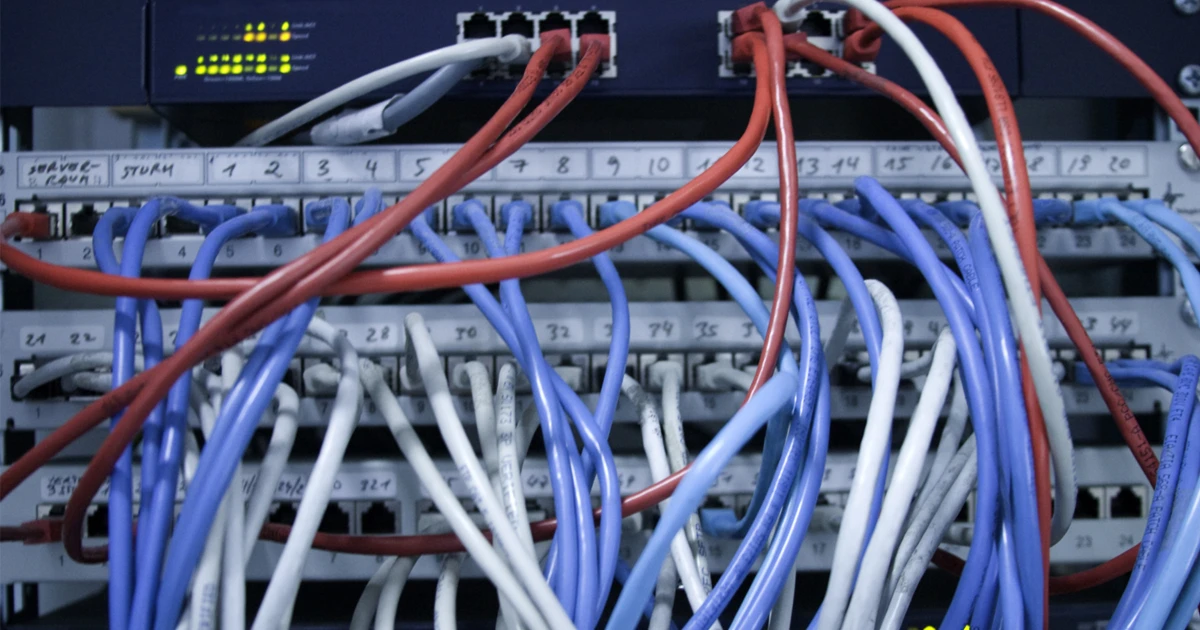
Teaching cybersecurity students to think beyond software‑level threats is essential. Here’s how to cultivate a mindset that prepares them for hardware-level risks.
-

Teaching cybersecurity students to be forward thinking is essential. Here's how to cultivate a a next-generation security mindset in trainees.
-

The necessity for digital security is greater today than ever before. Here are some ways to build a mobile set of cybersecurity tools.
-

What are the best ways for instructors to include AI in cybersecurity training? Explore strategies to help students understand when and how to use AI without undermining learning outcomes.
-

Our reliance on cellphones means mobile security is more important than ever. How can educators train the next generation to choose the best mobile security methods?
-

Cybersecurity instructors must educate students how to secure cloud storage data with effective encryption techniques. Explore techniques for teaching a security-first mindset in students.